
E-Commerce Growth Strategy: How to Scale Your Online Business
A comprehensive guide to expanding your business through e-commerce, from platform selection to logistics integration and customer experience optimization.
The E-Commerce Opportunity in 2026
The global e-commerce landscape continues to evolve at a remarkable pace. What was once a supplementary sales channel has become the primary growth engine for businesses of all sizes. Whether you operate in B2C or B2B markets, the ability to sell products and services online is no longer optional — it is a strategic imperative. Yet many businesses struggle to move beyond a basic online presence and unlock the full potential of digital commerce. A well-defined e-commerce growth strategy bridges the gap between having a website and building a scalable, profitable online operation.

Choosing the Right E-Commerce Platform
One of the most consequential decisions in your e-commerce journey is selecting the platform that will power your online store. The market offers a wide range of options, from hosted solutions like Shopify and BigCommerce to open-source platforms such as WooCommerce and Magento. Each comes with distinct advantages depending on your business model, technical capabilities, and growth ambitions.
Hosted vs. Self-Hosted Solutions
Hosted platforms provide a managed environment where the technical infrastructure — hosting, security, and updates — is handled by the provider. This approach is well-suited for businesses that want to launch quickly without a dedicated development team. Self-hosted solutions, on the other hand, offer greater flexibility and customization but require more technical resources to maintain. The right choice depends on your current scale and where you expect to be in three to five years. Migrating platforms mid-growth is costly and disruptive, so it pays to think ahead.
Marketplace Integration
Beyond your own webshop, major marketplaces such as Amazon, Bol.com, and Etsy can serve as powerful additional channels. A multi-channel strategy allows you to reach customers where they already shop, while your own website remains the anchor of your brand experience. The key is to manage inventory, pricing, and fulfillment across all channels in a unified way to avoid overselling and inconsistent customer experiences.
Digital Transformation Beyond the Storefront
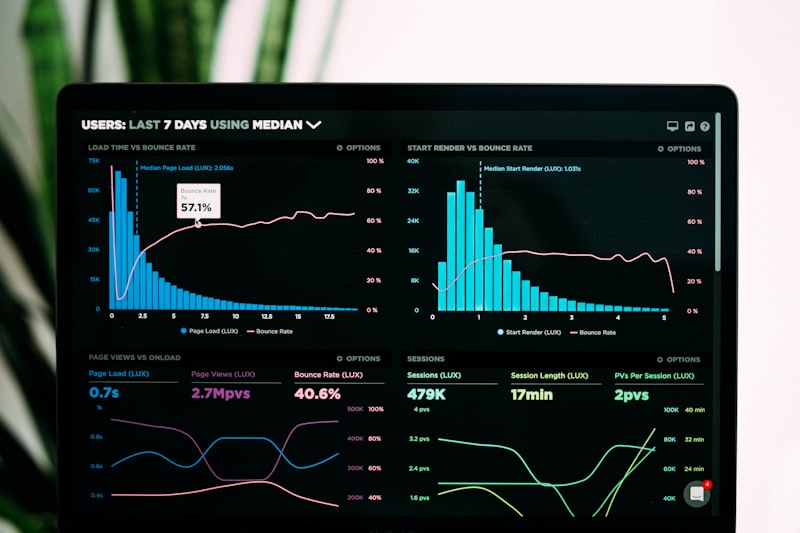
A successful e-commerce strategy extends far beyond the customer-facing website. The back-office operations — order management, inventory control, customer service, and financial administration — must be equally digitized and integrated. Disconnected systems lead to manual workarounds, data inconsistencies, and operational inefficiencies that become increasingly problematic as order volumes grow.
ERP and CRM Integration
Connecting your e-commerce platform to an Enterprise Resource Planning (ERP) system and a Customer Relationship Management (CRM) tool creates a single source of truth for your business. Orders placed online flow automatically into your fulfillment pipeline, inventory levels update in real time, and customer interactions are tracked across every touchpoint. This level of integration eliminates data silos and enables your team to focus on strategic work rather than manual data entry.
Payment and Checkout Optimization
Cart abandonment remains one of the biggest challenges in e-commerce, with industry averages hovering around 70 percent. A significant portion of these lost sales can be recovered by optimizing the checkout experience. Offering multiple payment methods — including iDEAL, credit cards, PayPal, and buy-now-pay-later options — removes friction for different customer segments. Equally important is a streamlined checkout flow that minimizes the number of steps between adding a product to the cart and completing the purchase.
Logistics Integration: The Backbone of E-Commerce
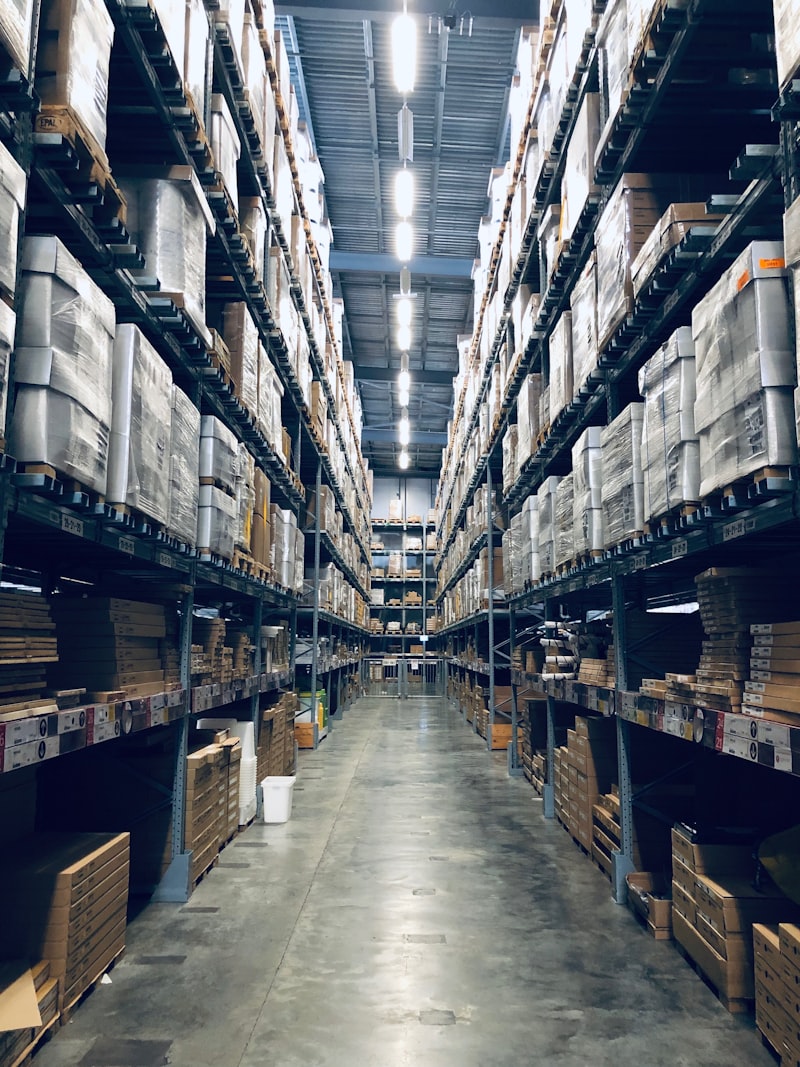
No matter how compelling your website or how competitive your pricing, the customer experience ultimately depends on reliable and fast delivery. Logistics is the backbone of any e-commerce operation, and getting it right requires careful planning and strong partnerships.
Fulfillment Models
Businesses can choose from several fulfillment approaches. In-house fulfillment gives you full control over the packing and shipping process but requires warehouse space, staff, and shipping infrastructure. Third-party logistics (3PL) providers handle storage and shipping on your behalf, which is ideal for businesses that want to scale without investing heavily in physical operations. Drop-shipping eliminates inventory risk entirely but offers less control over product quality and delivery times. Many successful e-commerce businesses use a hybrid model, combining in-house fulfillment for best-selling products with 3PL or drop-shipping for long-tail items.
Last-Mile Delivery and Customer Expectations
Consumers have come to expect fast, transparent, and flexible delivery. Same-day and next-day shipping are increasingly the norm rather than the exception, particularly in the Netherlands and broader European market. Providing real-time tracking, flexible delivery windows, and easy return options are no longer differentiators but baseline requirements. Businesses that fall short on delivery experience risk losing customers to competitors who meet these expectations consistently.
Customer Experience as a Growth Driver
Acquiring a new customer costs significantly more than retaining an existing one. In e-commerce, customer experience is the primary lever for both acquisition and retention. Every interaction — from the first website visit to post-purchase communication — shapes how customers perceive your brand and whether they return.
Personalization and Data-Driven Marketing
Modern e-commerce platforms generate vast amounts of data about customer behavior, preferences, and purchasing patterns. Leveraging this data to personalize the shopping experience — through product recommendations, targeted email campaigns, and dynamic content — increases conversion rates and average order values. However, personalization must be implemented thoughtfully, respecting customer privacy and complying with data protection regulations such as the GDPR.
Building Customer Loyalty
A loyalty program, combined with excellent customer service, turns one-time buyers into repeat customers. Subscription models, exclusive offers for returning customers, and proactive communication about new products or restocks all contribute to long-term customer relationships. In a competitive online marketplace, the businesses that invest in post-purchase engagement are the ones that achieve sustainable growth rather than one-off sales spikes.
Scaling Internationally Through E-Commerce
One of the greatest advantages of e-commerce is the ability to reach customers across borders without establishing a physical presence in every market. However, international expansion requires more than simply translating your website. Currency conversion, local payment preferences, tax compliance, and culturally appropriate marketing are all critical factors that must be addressed.
Localization Strategy
True localization goes beyond language translation. It involves adapting your product assortment, pricing strategy, marketing messages, and even visual design to resonate with local audiences. A product page that performs well in the Netherlands may need significant adjustments to convert customers in Germany, France, or the United Kingdom. Understanding local consumer behavior and competitive dynamics is essential for success in each market.
Cross-Border Logistics
Shipping internationally introduces additional complexity in the form of customs declarations, import duties, and longer transit times. Partnering with logistics providers that specialize in cross-border fulfillment can simplify these challenges. Establishing regional fulfillment centers or leveraging existing 3PL networks in target markets can also reduce delivery times and improve the customer experience abroad.
How Bolaji Group Can Help You Grow
At Bolaji Group, we provide e-commerce consulting services designed to help businesses at every stage of their digital commerce journey. Whether you are launching your first online store, optimizing an existing operation, or expanding into new international markets, our team brings the strategic insight and hands-on expertise to deliver measurable results. We help you select the right platform, integrate your logistics and back-office systems, and develop a customer experience that drives sustainable growth. Contact Bolaji Group today and take the next step in your e-commerce journey.